
Moisture & Mold – Awaab’s Law in Scotland – What You Should Know
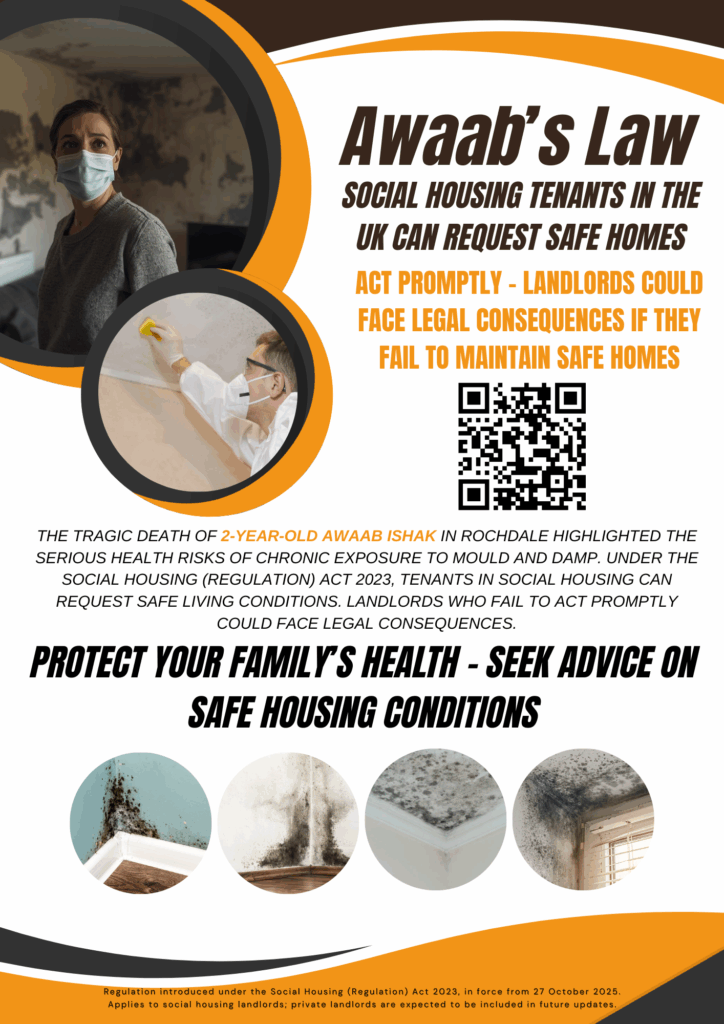
In Scotland, significant changes related to what is known as Awaab’s Law are on the horizon. These new regulations aim to improve housing conditions, particularly in relation to damp, mould, and general health and safety in rented properties.
According to current government announcements, the Scottish version of Awaab’s Law is planned to come into effect in March 2026, subject to approval by the Scottish Parliament. This means that landlords in the social and private rented sectors still have time to prepare for the upcoming standards.
While the main legislative framework has already been outlined, the detailed Scottish guidance and secondary regulations are still being finalised. These documents will clarify specific responsibilities, reaction times, and enforcement procedures for landlords. Updates will be published on official government websites as the implementation date approaches.
Background of the Law
The background of the law is deeply connected to the tragic story of two-year-old Awaab Ishak, whose death in England due to prolonged exposure to mould led to nationwide reforms. England has already introduced Awaab’s Law for the social rented sector, and Scotland is now adapting these principles to its own housing system and local circumstances, creating a separate legal framework.
Stay Updated
We encourage you to stay updated – as soon as the full guidance and detailed regulations for Scotland are released, we will share the relevant links. For now, you can follow ongoing updates on gov.scot and other official sources to remain informed.
How Proper Ventilation Can Help
While Awaab’s Law focuses on landlord responsibilities and rapid response to damp and mould hazards, long-term prevention is equally important.
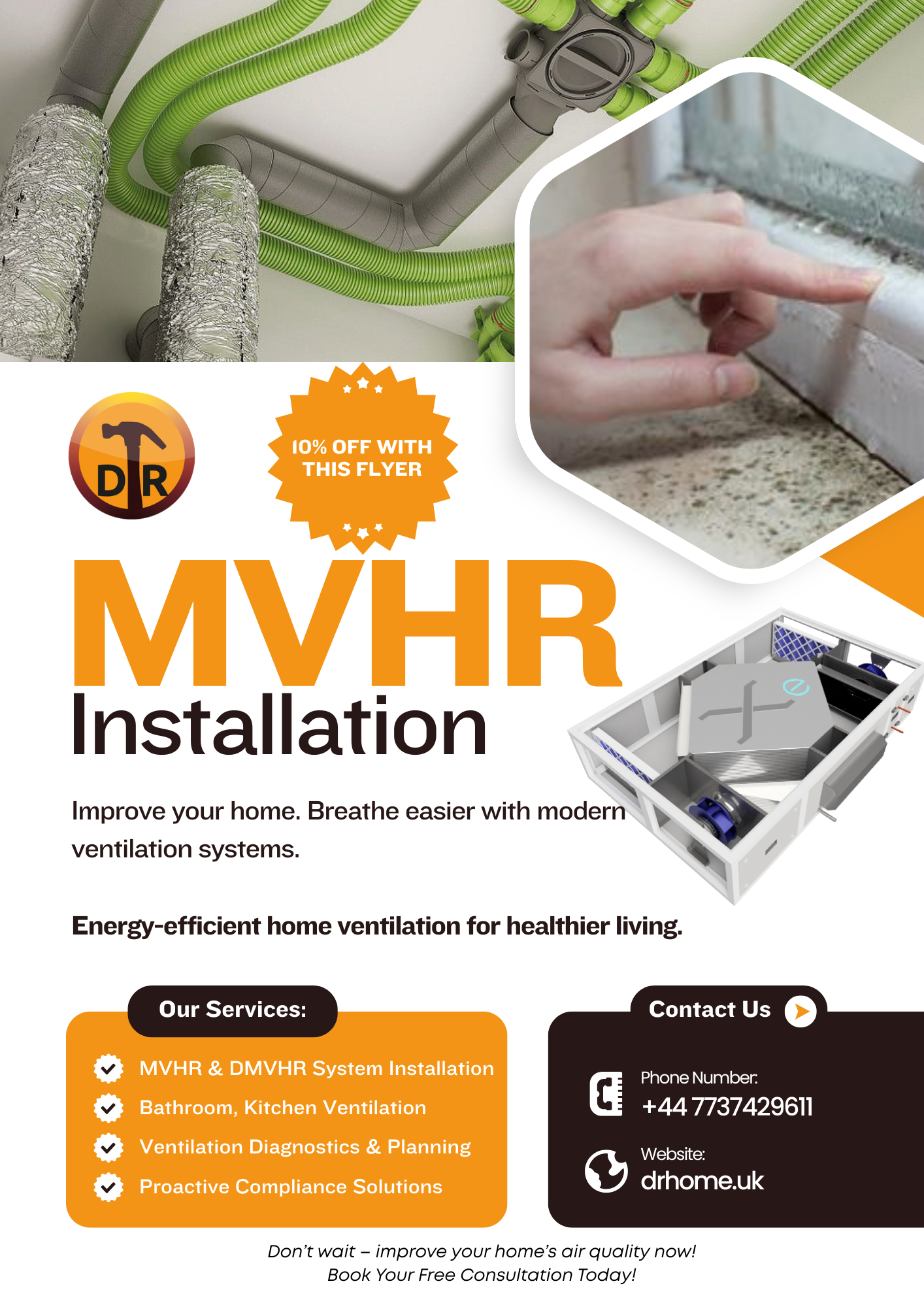
Modern ventilation systems such as MVHR (Mechanical Ventilation with Heat Recovery) and DMVHR (Decentralised MVHR) can significantly reduce the risk of damp and mould returning by ensuring continuous air exchange and balanced humidity levels throughout the property.
These systems don’t replace the legal requirements, but they help prevent recurring issues, improve indoor air quality, and support healthier living conditions — especially in properties prone to moisture.
If you would like advice on ventilation or moisture control solutions for your property, feel free to get in touch.
Learn more…